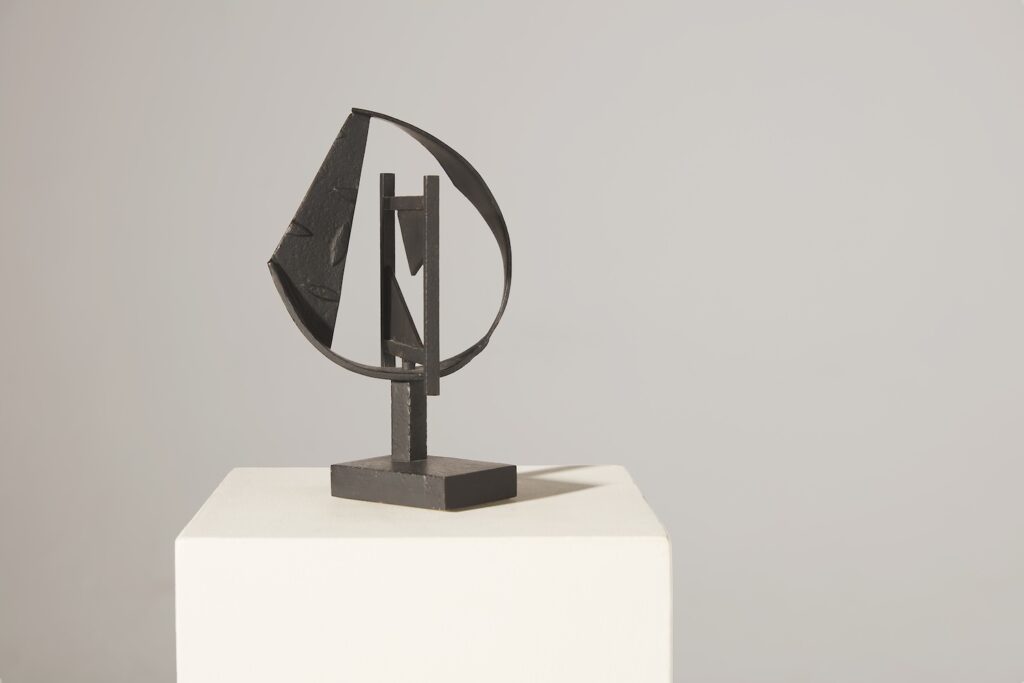
Provenance: Borzo Kunsthandel, Den Bosch (1989) • Private Collection, The Netherlands
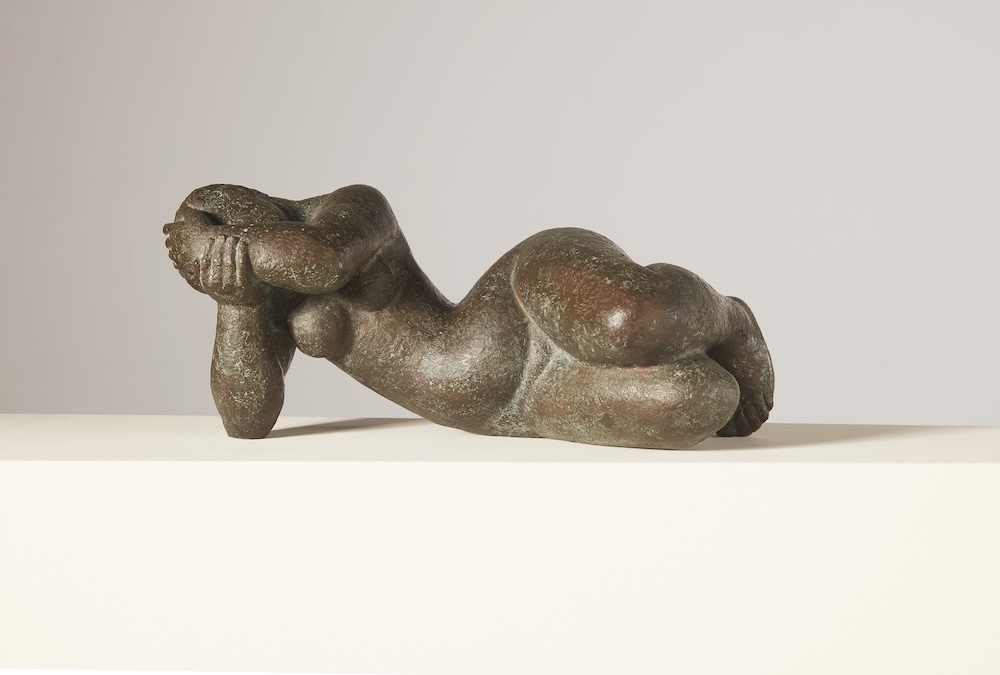
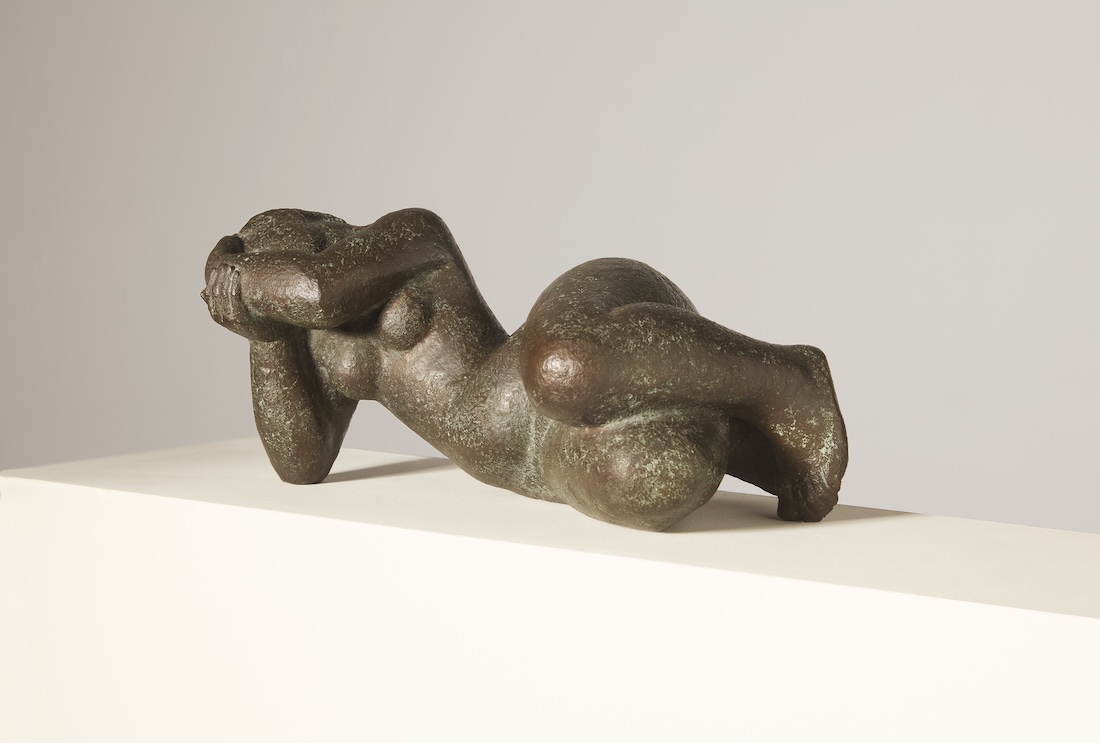
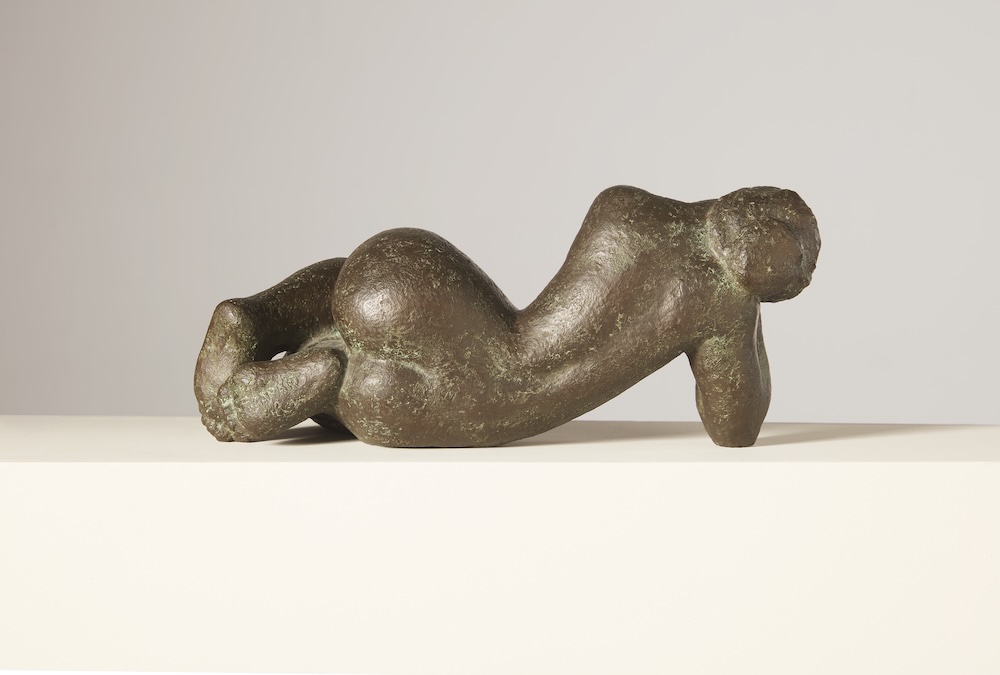

send me the price
We offer personal viewings and worldwide art shipping.
Federico “Fred” Antonio Carasso (1899–1969) grew up in a Turin family of artisans, where his artistic talent was evident from a young age. However, he was unable to fully develop it, as his life was soon marked by political activism and exile. In 1922, the year Mussolini came to power, Carasso fled to France. There, he joined the anti-fascist resistance. Due to his political involvement, he was expelled from the country in 1928. After passing through Belgium, he eventually found a new home in the Netherlands—first in Rotterdam, then in Amsterdam, where he became part of a circle of left-wing intellectuals and artists, including writer Maurits Dekker and sculptors Han Wezelaar, Leo Braat, and Gerrit van der Veen.
In the Netherlands, Carasso flourished as an artist. During his years of exile in France and Belgium, he had worked as a woodcarver for furniture makers, and even in Amsterdam, he continued to support himself through craftsmanship for many years. It was only after turning fifty that Carasso could devote himself fully to sculpture. Though embittered by the few hours he had been able to dedicate to his artistic development and the lack of encouragement, he stated in 1953 that, while he had not experienced any artistic revelations, he had learned from the craftsmen a respect for skill and pride in good work.
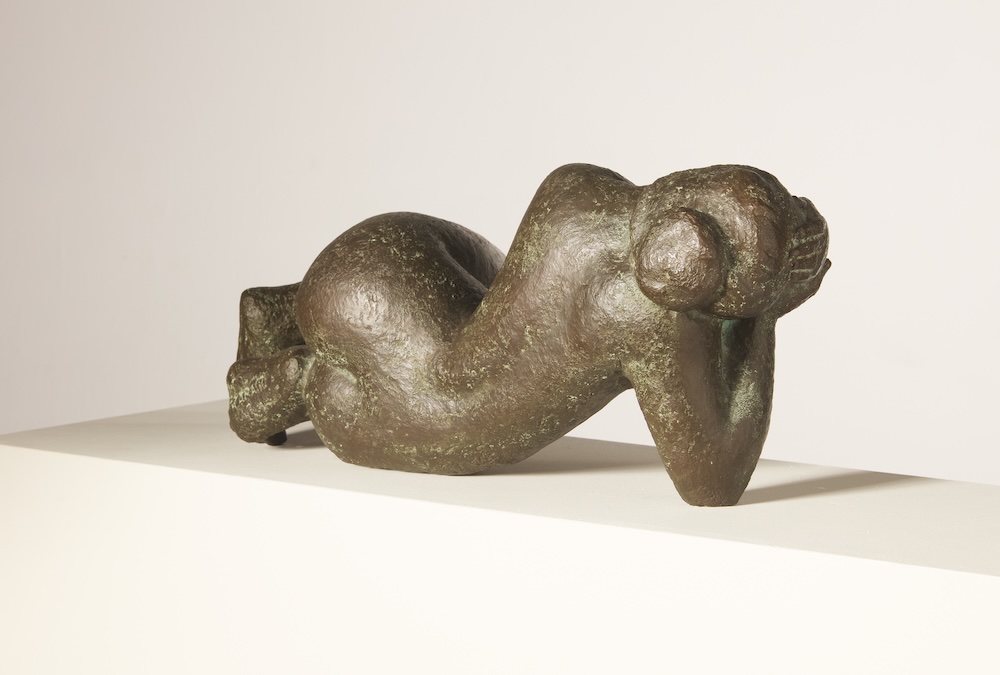
Carasso’s work was characterized by a strong, sometimes abstract formal language, as he experimented with diverse materials such as wood, stone, and bronze. Over time, his style evolved toward universal, human expressions, particularly in the form of female figures. He depicted these powerfully, sometimes dramatically—expressive and full of life. For Carasso, the essence of sculpture was to create closed and detached forms, filled with harmony and movement.
In 1938, Carasso reached an early career milestone with an exhibition at the Stedelijk Museum Amsterdam. Critics such as Johan van der Woude and Ed Wingen wrote glowing reviews of his work. The former noted that Carasso was difficult to compare with other Dutch sculptors because, while he worked figuratively, he avoided impressionism and anecdotalism, yet still retained an abstract touch. This unique combination made his work both accessible and profound, appealing to both the general public and the critical elite.
During the May days of 1940, Carasso volunteered for military service, but due to his Italian origins and suspicious remarks, he was arrested and interrogated. After his release, he went into hiding and became active in the resistance. When the war ended, he continued to advocate for social justice, and his work often reflected his ideals: humanity, freedom, and resistance against oppression.
In addition to being a sculptor, Carasso was also an active publicist and organizer. He published sharp articles on artists such as Arturo Martini, Marino Marini, and Giacomo Manzù, thereby promoting the influence of modern Italian sculpture in the Netherlands. As an organizer, he played a key role in introducing international—particularly Italian—modern movements to the Dutch art world. His knowledge and passion for Italian modernist traditions contributed to the postwar revival of monumental art and the dissemination of new ideas and styles in the Netherlands. For example, in 1959, Museum Kröller-Müller acquired Marini’s large Horse and Rider, and the municipality of The Hague purchased an even larger Horse and Rider (1959) for the new district of Bouwlust, both at very high prices. Marini even received a solo exhibition at the Boijmans Van Beuningen in 1955.
In 1952, Carasso won the Prix de Rome for sculpture, a recognition that confirmed his status as one of the most important Dutch sculptors. His work was exhibited in prestigious museums, such as the Stedelijk Museum Amsterdam and Museum Boijmans Van Beuningen. In 1957, he received the Jacob Hartog Prize for his contributions to Dutch art.
In his later years, he dedicated himself to monumental projects, such as the design for the Zij hielden koers (They Held Course) monument in Rotterdam, an eight-meter-high sculpture group unveiled in 1965. This work symbolized the courage and determination of the Dutch people during the war.
Carasso was known as a modest, integrity-driven, and dedicated artist. He was a craftsman who highly valued skill and technical mastery. His studio on Zomerdijkstraat was a meeting place for other artists. Carasso passed away in Amsterdam in 1969.